
Organizations continue to rely on legacy tools due to familiarity, cost constraints, or specific use cases. One such tool is Microsoft Office 2010. Despite being over a decade old, this suite still commands a presence in various sectors. Understanding the strategic impact of using Office 2010 is essential for businesses aiming to balance efficiency and innovation.
The Continued Relevance of Office 2010
Office 2010 remains relevant for several reasons. Its core applications—word processing, spreadsheet software, and presentation tools—provide most functionality required by users for everyday tasks. The suite’s stability ensures that ongoing projects are not jeopardized by unexpected changes that sometimes accompany updates in newer suites. Many users find comfort in its familiar interface and reliable performance.
Moreover, the adaptability of Office 2010 allows it to be used across various industries, from education to finance. Organizations appreciate the continuity it offers, enabling them to maintain workflows without the need for constant re-training or process adjustments. This consistency can be especially beneficial in environments where precision and reliability are paramount.
Key Features of Office 2010
Office 2010 includes essential tools like Microsoft Word, Excel, and PowerPoint, along with an email client in Outlook. These applications offer robust document editing capabilities. Despite lacking some modern features found in recent versions, the more traditional interface can enhance productivity for users accustomed to older software. Additionally, its straightforward design minimizes the learning curve for new users who may be overwhelmed by more complex interfaces.
The suite also supports a wide range of file formats, ensuring compatibility with documents created using different versions of Microsoft Office or even other office software suites. Its built-in templates and formatting options allow users to create professional documents quickly and efficiently.
Integration Challenges with Windows Activation Tools
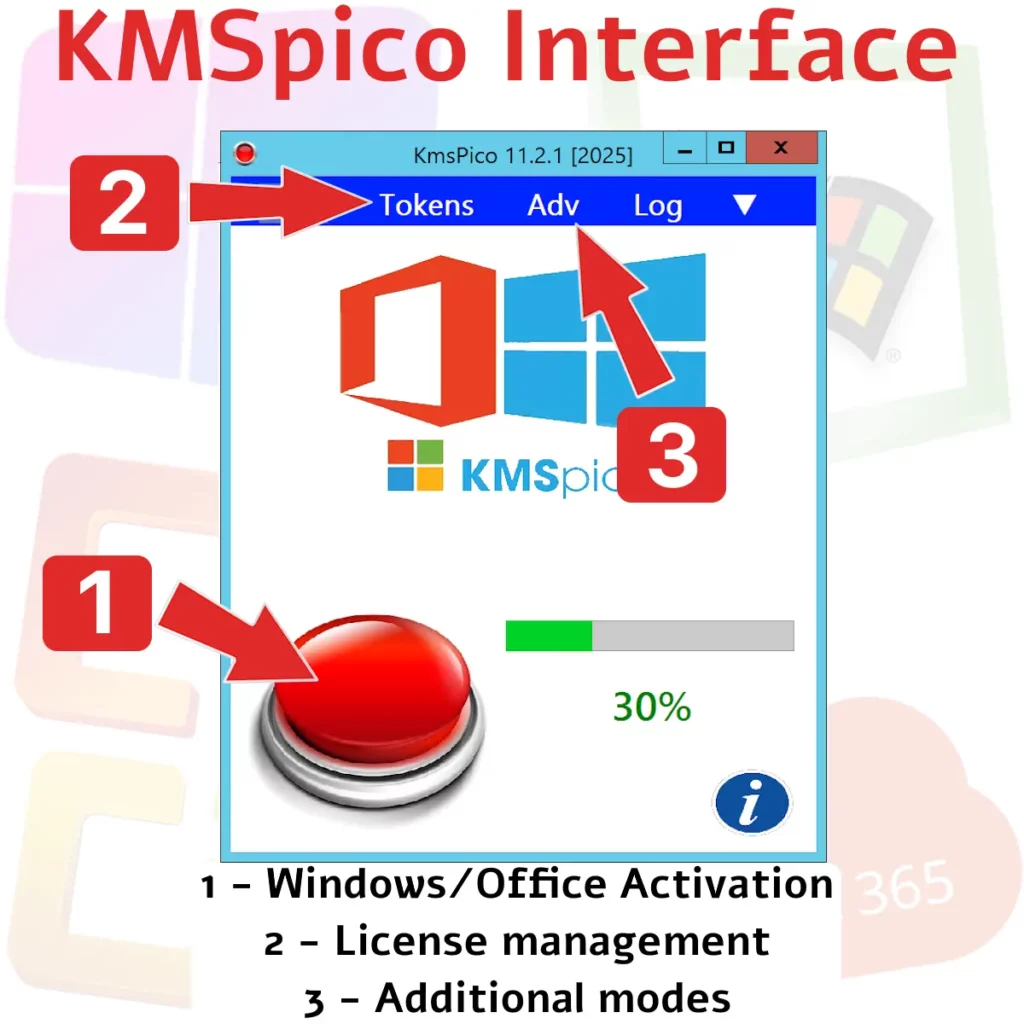
Compatibility issues may arise when integrating Office 2010 with modern operating systems like Windows 10 or newer. For instance, using activators such as kmspico can simplify windows activation processes but potentially conflict with licensing agreements. Organizations should exercise caution and ensure compliance when utilizing third-party solutions like aktivasl windows 10 kmspico. These tools may offer temporary relief but could lead to long-term complications if not managed correctly.
Furthermore, reliance on unsupported activation methods might expose organizations to security vulnerabilities or legal risks. It is crucial for IT departments to evaluate these risks thoroughly and consider alternative solutions that align with legal standards while ensuring seamless integration across all systems.
Cost Considerations
The primary advantage of maintaining Office 2010 is cost-saving. Upgrading every system can be expensive; however, using an outdated suite might incur indirect costs such as reduced support availability and potential security vulnerabilities. While the initial investment might seem daunting, the long-term benefits of upgrading could outweigh the expenses.
Organizations must also consider hidden costs associated with maintaining older software versions, including increased IT support requirements and potential productivity losses due to outdated features or compatibility issues with newer technologies.
Support Limitations
Extended support for Office 2010 ended in 2020, meaning no further updates or security patches are officially provided. This lack of updates represents a critical consideration regarding cybersecurity threats and compatibility with new software standards. Organizations must weigh these risks against the perceived savings from avoiding upgrade costs.
The absence of official support means that any emerging vulnerabilities will remain unaddressed by Microsoft, leaving organizations reliant on their own IT security measures to protect sensitive data from potential breaches.
IT Infrastructure Concerns
- Running older systems might necessitate using virtual environments. Labs might limit virtual machine configurations to VM 2 vCPU / 4 GB RAM due to performance constraints.
- Ensuring regular snapshot timing to mitigate data loss risks if integration issues occur is crucial.
- Assessing network infrastructure compatibility with legacy systems can help avoid bottlenecks that hamper productivity.
- Allocating resources to maintain older hardware could divert funds from innovation projects that drive business growth.
- The challenge lies in balancing current operational needs while preparing for future technological advancements without incurring unnecessary costs.
Migrating from Office 2010
Moving away from Office 2010 involves evaluating organizational needs against available resources and potential benefits offered by newer versions of the Microsoft suite. Transitioning could improve functionality through enhanced word processing and spreadsheet software features. The decision-making process should consider both immediate advantages and long-term strategic goals.
Migrating requires careful planning and consideration of how new features will integrate into existing workflows while ensuring minimal disruption during the transition period.
Selecting the Right Version
The decision should consider the organization’s requirements around collaboration, cloud integration, and mobile connectivity. Recent versions offer advanced document editing capabilities and improved integration with tools like SharePoint and OneDrive for Business. Evaluating these options can reveal opportunities for streamlining workflows and enhancing team collaboration.
Selecting a version that aligns with organizational objectives can unlock new efficiencies while supporting remote work capabilities increasingly demanded in today’s flexible work environments.
Training and Change Management
A strategic migration plan must include user training sessions to familiarize staff with new interfaces. Change management strategies are crucial to minimize disruptions during the transition phase. By involving employees early in the process, organizations can foster a smoother adaptation period while reducing resistance to change.
Effective communication throughout the transition ensures all stakeholders understand both short-term challenges and long-term benefits associated with adopting newer office solutions.
The Future Beyond Office 2010
The evolution beyond Office 2010 pushes organizations towards adopting collaborative platforms providing real-time editing, cloud storage solutions, and AI-enhanced functionalities.
Adopting such innovations aligns business operations with current technological trends without sacrificing data security or integrity. As companies pivot towards more integrated digital ecosystems, they unlock new potentials that were previously unreachable under older frameworks.
Navigating License Changes
Understanding licensing implications when moving from perpetual licenses of older Microsoft suites to subscription models in newer releases helps organizations optimize their IT spending efficiently while staying compliant with licensing terms. This transition often requires a thorough review of existing contracts to prevent unexpected fees or limitations.
The strategic decision concerning Office 2010 revolves around balancing immediate operational needs against long-term technological evolution requirements within each organization’s unique framework.
By thoroughly assessing these factors alongside potential security challenges posed by unsupported software usage under current business objectives—organizations can steer their technological strategies towards success without unnecessary risks associated with legacy systems usage over time.
Ultimately, whether maintaining or transitioning from Office 2010, companies must remain agile in their approach towards technology adoption while ensuring that their chosen path aligns with broader business strategies aimed at sustainability and growth.